
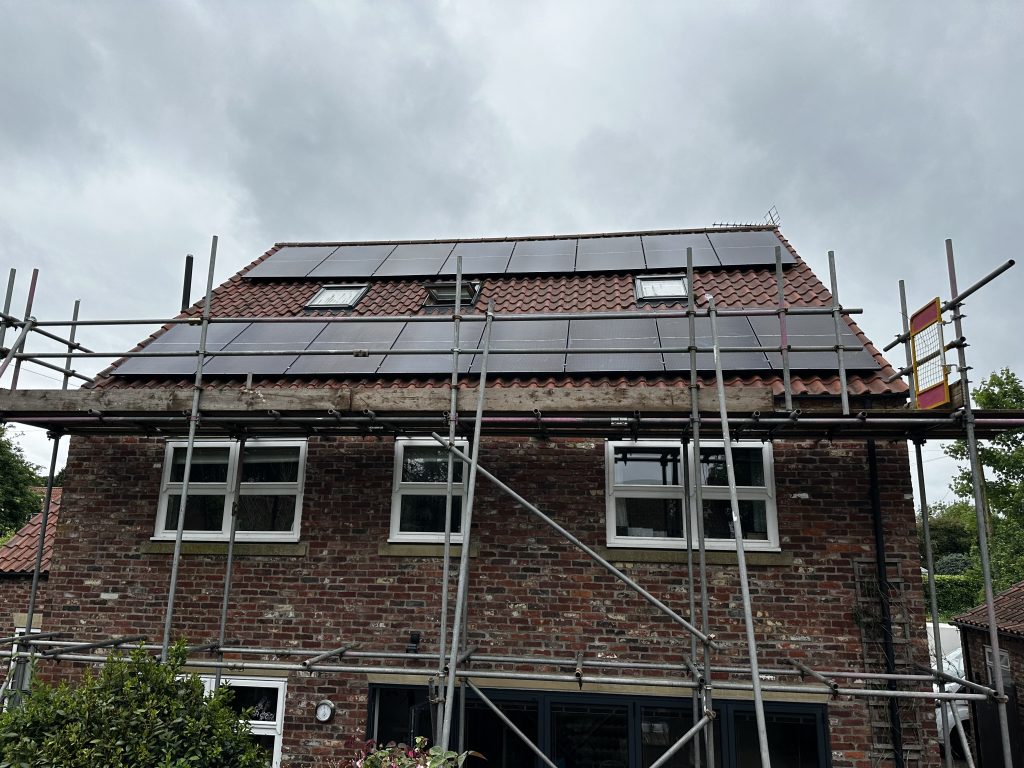
For many businesses considering renewable energy, one of the biggest questions isn’t whether commercial solar panels are worthwhile—it’s what actually happens during the installation process.
Understanding each stage of a commercial solar installation can help business owners plan ahead, minimise disruption, and feel confident about their investment. While every project is tailored to the individual property and energy requirements, the overall process follows a structured approach designed to ensure safety, efficiency, and long-term performance.
In this guide, we’ll walk you through every stage of a commercial solar installation, from the initial consultation through to system commissioning and ongoing support.
Why Understanding the Installation Process Matters
Installing a commercial solar PV system is a significant investment, and businesses naturally want to know what to expect before work begins.
Knowing the installation process helps you:
- Plan around business operations
- Understand project timelines
- Prepare your building and staff
- Gain confidence in the installation
- Ensure your system delivers maximum performance
Working with an experienced installer also helps avoid unnecessary delays and ensures the project is completed to a high professional standard.
Step 1: Initial Consultation
Every successful commercial solar project begins with an initial consultation.
During this stage, the installer will discuss:
- Your business operations
- Current electricity usage
- Long-term energy goals
- Available roof space
- Future expansion plans
- Budget considerations
This conversation helps determine whether commercial solar is suitable for your property and what type of system is likely to deliver the greatest value.
Step 2: Site Survey
Once you decide to move forward, a detailed site survey is carried out.
This allows engineers to gather the technical information needed to design the system.
The survey typically includes:
Roof Inspection
The roof is assessed for:
- Structural condition
- Available installation space
- Roof orientation
- Roof pitch
- Existing equipment
- Potential shading
Electrical Assessment
The installer also reviews:
- Existing electrical infrastructure
- Distribution boards
- Metering equipment
- Grid connection arrangements
This ensures the solar system can be integrated safely with your building’s electrical supply.
Step 3: Designing the Solar System
No two commercial properties are exactly alike, which is why every installation should be designed specifically for the business.
The design process considers:
- Daily energy usage
- Peak demand
- Roof layout
- Panel positioning
- Expected energy generation
- Future scalability
The goal is to maximise energy production while making the best use of the available roof space.
Step 4: Project Planning
Before installation begins, the project is carefully planned to minimise disruption.
This stage includes:
- Ordering equipment
- Scheduling installation dates
- Organising access arrangements
- Completing necessary documentation
- Confirming health and safety procedures
Good project planning helps ensure work progresses efficiently from start to finish.
Step 5: Installing the Mounting System
The first physical stage of installation involves fitting the mounting system that will support the solar panels.
Different roof types require different mounting methods, including:
- Flat roof mounting systems
- Pitched roof mounting systems
- Metal roof fixing systems
The mounting equipment is securely installed while protecting the roof’s weatherproof integrity.
Step 6: Installing the Solar Panels
Once the mounting framework is complete, the solar panels are carefully positioned and secured.
During installation, engineers ensure:
- Correct panel alignment
- Secure fixing
- Safe cable routing
- Proper spacing for ventilation
Attention to detail during this stage plays an important role in the long-term efficiency and reliability of the system.
Step 7: Installing the Inverter and Electrical Components
The inverter is one of the most important parts of a commercial solar system.
Its role is to convert the electricity generated by the solar panels into usable power for your business.
Additional equipment may include:
- Electrical isolators
- Safety switches
- Monitoring equipment
- Generation meters
- Battery storage connections (where applicable)
All electrical work is completed in accordance with current UK regulations.
Step 8: System Testing and Commissioning
Before the system is handed over, comprehensive testing is carried out.
Engineers check:
- Electrical connections
- System performance
- Safety devices
- Monitoring systems
- Inverter operation
- Energy generation
Only once all checks have been successfully completed is the system commissioned and made operational.
Step 9: Monitoring Your Solar System
Modern commercial solar systems include monitoring technology that allows businesses to track performance.
Monitoring provides valuable information such as:
- Energy generated
- Electricity consumed
- Carbon savings
- System efficiency
- Performance trends
This allows businesses to identify any issues quickly and ensure the system continues operating efficiently.
Step 10: Ongoing Maintenance
Although commercial solar systems require relatively little maintenance, regular inspections help maintain long-term performance.
Routine maintenance may include:
- Visual inspections
- Electrical testing
- Performance monitoring
- Cleaning where necessary
- Identifying worn components
Preventative maintenance helps maximise energy generation and extends the lifespan of the system.
Related Service:
➡ Solar Maintenance Services – Keep your commercial solar system performing efficiently with professional inspections and ongoing maintenance.
Will Installation Disrupt My Business?
One of the most common concerns businesses have is whether installation will interrupt daily operations.
In most cases, disruption is minimal.
Experienced installers carefully plan the project to:
- Maintain safe access
- Coordinate work around operational requirements
- Minimise downtime
- Complete the installation as efficiently as possible
Every project is managed with the aim of allowing your business to continue operating throughout the installation wherever practical.
Benefits After Installation
Once your commercial solar system is operational, your business can begin benefiting from renewable energy immediately.
Advantages include:
- Reduced electricity bills
- Greater protection against rising energy costs
- Lower carbon emissions
- Improved sustainability credentials
- Reduced reliance on the National Grid
- Long-term operational savings
These benefits continue for many years, making commercial solar one of the most valuable long-term investments for many organisations.
Planning Commercial Solar for Your Business
A successful commercial solar installation begins with understanding the requirements of the individual business and property. Businesses looking for
commercial solar PV
can consider factors including electricity consumption, available roof space, system requirements and how the generated electricity will be used.
If your business is located in Derby, you can also explore
commercial solar in Derby
for more information about local commercial solar solutions.
Where energy storage is also being considered,
commercial battery storage
may be explored alongside the solar PV system as part of a broader energy strategy.
Why Choose AZM Energy?
At AZM Energy, we deliver professional commercial solar installations designed around the unique needs of every business.
Our services include:
Commercial Solar Installations
Tailored solar solutions that help reduce operating costs and improve energy efficiency.
Battery Storage Systems
Store excess solar energy for use when your business needs it most.
Solar Maintenance Services
Protect your investment with regular inspections and ongoing system support.
Renewable Energy Consultation
Receive expert guidance on choosing the right renewable energy solution for your organisation.
Useful Internal Resources
If you’re planning a commercial solar project, you may also find these resources helpful:
➡ Commercial Solar Installations – Learn more about our commercial solar solutions.
➡ Battery Storage Systems – Discover how battery storage can maximise your solar investment.
➡ Solar Maintenance Services – Find out how ongoing maintenance protects system performance.
➡ Contact AZM Energy – Speak with our team about your commercial solar requirements.
A Smooth Transition to Renewable Energy
A commercial solar installation is a carefully planned process designed to deliver reliable, long-term energy savings with minimal disruption to your business.
From the initial consultation and site survey through to installation, testing, and ongoing support, every stage contributes to creating a safe, efficient, and high-performing renewable energy system.
Working with an experienced installer ensures your project is completed professionally and delivers lasting value for your business.
Businesses preparing for a solar installation should consider the property’s energy requirements, available space and electrical infrastructure before selecting a system. AZM Energy provides Commercial Solar PV solutions tailored around individual commercial requirements. Businesses considering battery storage as part of the same energy strategy can also explore Commercial Battery Storage, while Derby businesses can learn more about local options through our Commercial Solar Derby service.
Conclusion
Understanding what happens during a commercial solar installation can help businesses feel more confident about making the transition to renewable energy.
By following a structured process—from consultation and system design to installation and ongoing maintenance—businesses can enjoy reduced energy costs, greater sustainability, and long-term financial benefits.
If you’re considering commercial solar for your organisation, contact AZM Energy today to discuss your project and discover how a bespoke solar solution can support your business goals.